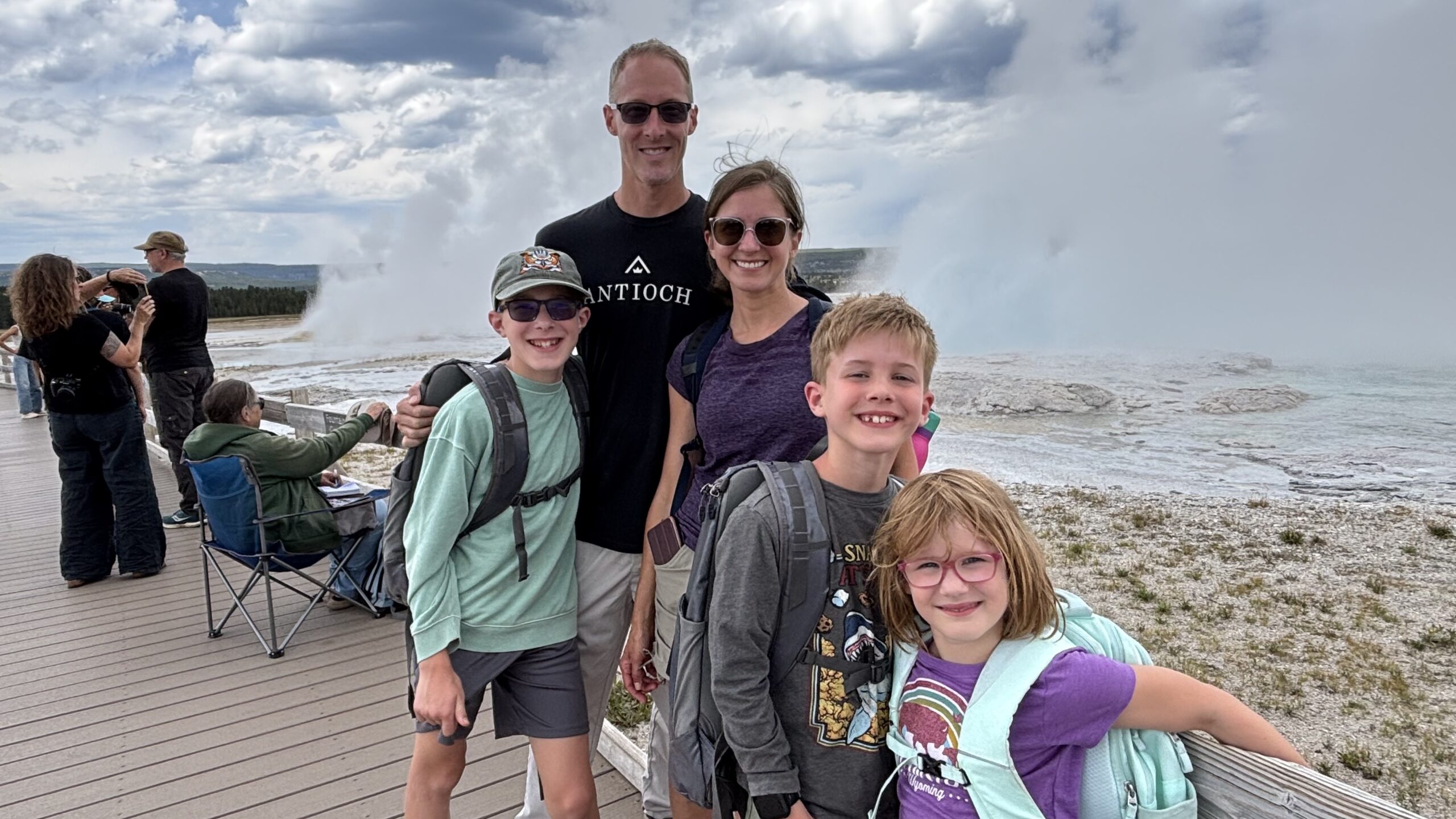

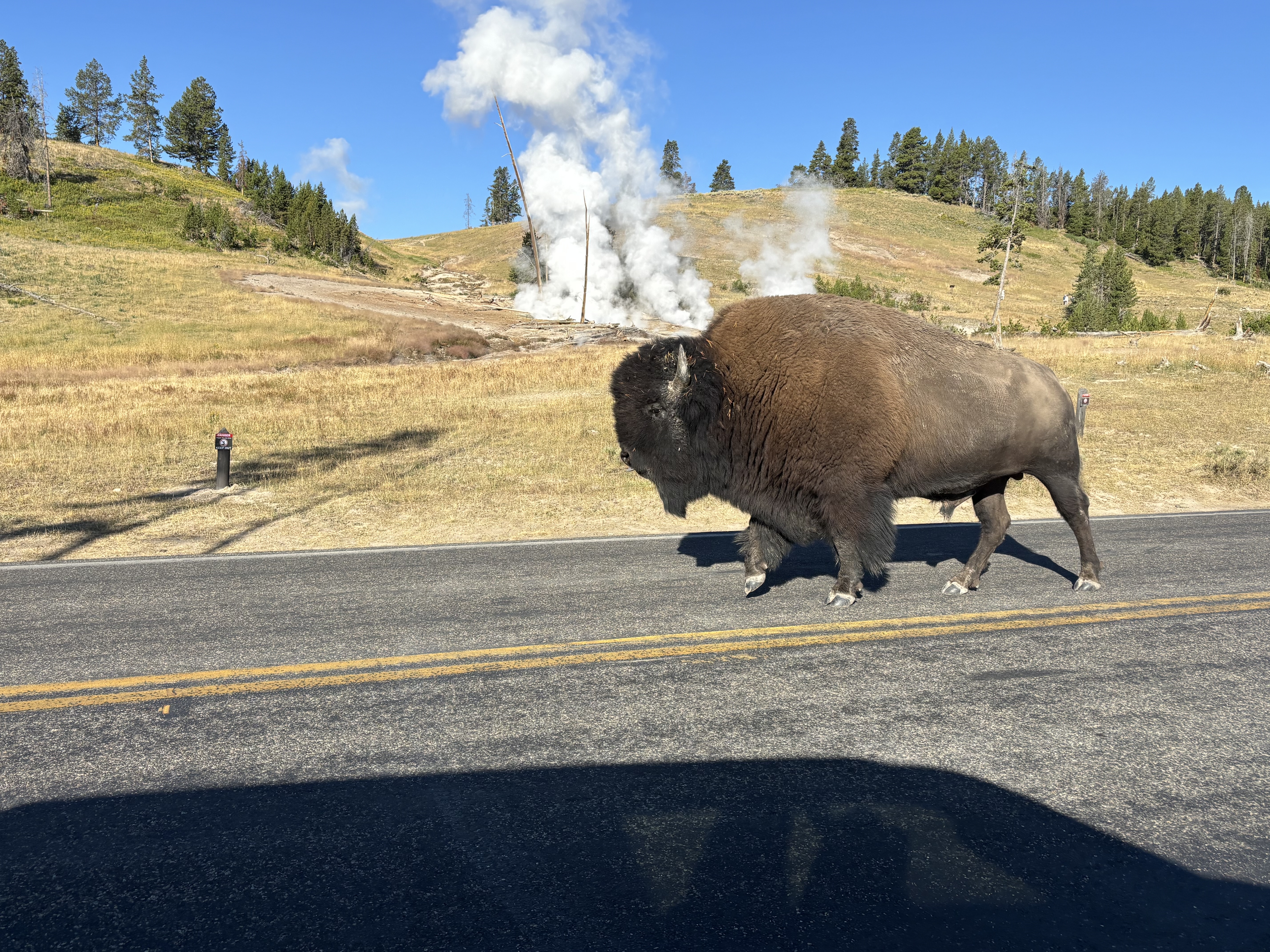
Just returned from a fantastic family week in Yellowstone, and I’m still processing what turned out to be an unexpected master class in market psychology.
When Expectations Meet Reality
We spent our mornings driving into the park from our rental house, hitting all the iconic spots. But the most revealing moment wasn’t watching Old Faithful erupt – it was observing the crowd beforehand. Park rangers announce approximate timing, tourists set their watches, everyone gets comfortable. Then nature does what it wants, when it wants.
Sound familiar?
Markets just moved from pricing a 60% chance of September rate cuts to 100% certainty in a single month. All because Tuesday’s CPI came in at 2.70% versus the 2.80% consensus. Never mind that this represents an acceleration from June’s 2.67%. Never mind core goods spiked 47 basis points.
The Danger of Surface-Level Analysis
During our Yellowstone adventure, we met plenty of visitors who focused purely on the spectacular views while missing the underlying geological forces that create them. They’d stand in the wrong spots, ignore weather patterns, and generally set themselves up for disappointment.
The current rate cut euphoria feels remarkably similar. Everyone’s celebrating the headline number while our inflation models point to continued acceleration through November. We’re entering what I call LEAD 3 territory – growth decelerating as prices rise – before shifting to LEAD 2 conditions in Q4.
Positioning for What’s Actually Happening
The families who truly maximized their Yellowstone experience? They studied the systems, respected the forces at play, and positioned accordingly. They didn’t fight the environment – they worked with it.
That’s our approach to these markets. Instead of betting against Fed policy or hoping inflation magically disappears, we’re positioning for continued asset inflation. Large-cap growth, select commodities, and crypto remain attractive as these macro forces play out.
August and September historically bring volatility, but understanding the underlying pressures gives us an edge.