In a world where financial headlines shift faster than the weather, there’s one truth I keep returning to: our economic health depends on what we consume. Just like our physical diet shapes our body’s future, our country’s fiscal choices shape the future of our portfolios.
Last week, something striking happened in Washington. The House passed a massive stimulus and spending bill—what I call a fiscal junk food binge. Everyone knows it’s bad for America’s long-term financial health, yet it passed anyway. Like a patient who’s been warned by their doctor but still orders the double cheeseburger with fries and a shake, Congress simply can’t help itself.
And just like that patient, the long-term consequences of these choices won’t be felt today—but they will come.
What This Means for Your Portfolio
Here’s the reality: the bond market is demanding higher yields because it sees the truth. We’re now dealing with real money and real risk. As someone who has helped retirees and business owners navigate markets for over 20 years, I call this moment our liquidity diet.
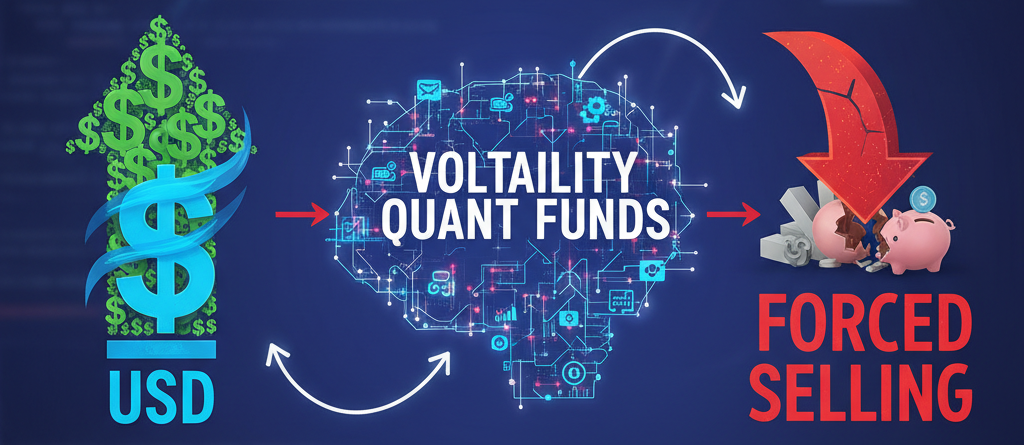
Understanding liquidity is vital right now. It’s the key ingredient in the “market soup” we’re all being served. The market is being fed with mechanical, price-insensitive flows: corporate buybacks, short covering, institutional FOMO (fear of missing out), and federal liquidity.
These ingredients are artificially lifting everything—stocks, bonds, even real estate and crypto. But the problem? Diversification doesn’t protect you when everything rises and falls together.
The Dangers of Artificial Support
We’re living in an artificially supported market—propped up by short-duration government debt that injects liquidity. But soon, we’ll have to shift to long-duration debt, which drains liquidity from the system.
Imagine a patient on life support. They may look stable, but remove the support, and their condition changes rapidly. That’s exactly the scenario our economy faces. The moment the Fed and Treasury are forced to confront the reality of long-term debt and inflation, the consequences for the unprepared could be severe.
Rate of Change: The Real Risk
It’s not just about inflation being 2.5% or 3%. What matters more is the rate of change. We feel inflation at the grocery store, gas pump, and in our rising insurance premiums—while Wall Street looks at models and averages.
When bond yields spike suddenly, that “rate of change” triggers volatility across all asset classes, forcing a repricing of both stocks and bonds. That could lead to an economic contraction—the very thing our policymakers are desperately trying to avoid.
So, What Can You Do?
This is not the time for guesswork or passive investing. As a successful business owner or a retiree, your priority must be wealth preservation. The artificial sugar high from Washington won’t last forever. And when it ends, the correction could be brutal.
That’s why I always say: The pain of preparation is far less than the pain of regret.
Here’s Your Action Plan:
- Stay informed. Follow updates on liquidity trends and how they impact wealth by subscribing to regular insights.
- Diversify wisely. Don’t rely solely on traditional diversification—it’s no longer enough in correlated markets.
- Seek guidance. If you want someone who understands how these macro trends affect your portfolio, let’s have a conversation.
Remember: We are what we eat—and so are our markets. The question isn’t if the liquidity diet will catch up with us—it’s when. Will you be prepared?